.svg)
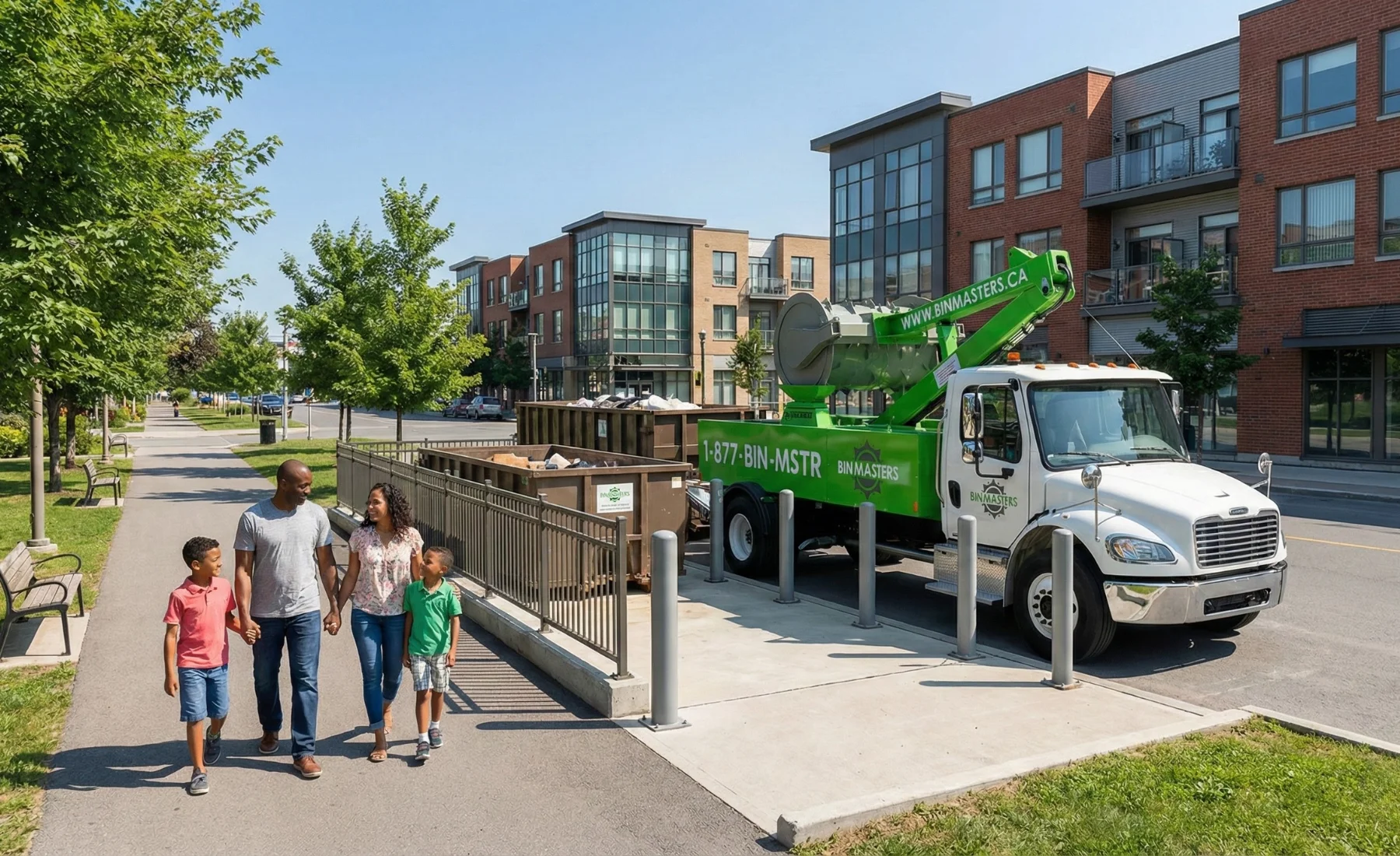
In the realm of public service, every dollar counts. Municipalities are constantly under pressure to deliver high-quality services while keeping a close eye on the bottom line. Waste management is consistently one of the most significant and visible expenses for any local government, often consuming 10-20% of the operational budget. Finding strategic ways to optimize this essential service can lead to substantial and quantifiable savings for taxpayers. Mobile compaction services have emerged as a powerful, flexible tool for municipalities looking to streamline their waste management operations, drastically reduce costs associated with hauling and disposal, and markedly improve their environmental performance.
The High, Controllable Cost of Traditional Municipal Waste Management
Traditional, fixed-route waste management practices are often burdened by structural inefficiencies that inflate costs for municipalities. These significant, recurring costs include:
- Hauling Fees and Transportation Overheads: The cost of transporting waste from scattered collection points (like transfer stations, public housing complexes, or commercial districts) to distant landfills or Material Recovery Facilities (MRFs) is a major, fuel-intensive expense. When containers are collected before being fully maximized, these fees multiply unnecessarily.
- Landfill Tipping Fees (Volume Penalty): Municipalities must pay a fee for every ton of waste they dispose of in a landfill. Since uncompacted waste is primarily air, ineffective hauling results in paying per trip, rather than per weight of maximized material, making tipping fees an inefficient volume-based penalty.
- Labor Costs and Productivity Losses: The salaries, benefits, and overtime required for waste management employees represent a significant portion of the budget. Inefficient routing and frequent trips to distant disposal sites directly translate to higher labor hours per ton of waste collected, creating productivity losses.
- Vehicle Maintenance and Fuel Costs: A municipal fleet of heavy garbage trucks requires substantial and costly maintenance, repairs, and fuel. The World Bank notes that optimizing travel to disposal sites can significantly impact waste collection costs [1]. By reducing the total distance driven and the number of trips to the landfill, municipalities can minimize wear-and-tear and save substantially on fuel and vehicle life cycles.
- Infrastructure Overheads: This includes the cost of maintaining and operating fixed infrastructure like transfer stations, maintenance depots, and the capital expenditure for purchasing stationary compactors. If these assets are not utilized efficiently, they become a costly budget sink.
- Environmental Penalties and Surcharges: Municipalities face increasing financial penalties for exceeding permitted landfill limits or for failing to meet state-mandated recycling diversion targets. Unoptimized waste management directly increases the risk of these costly environmental and regulatory surcharges.
Mobile compaction is the technological answer to these high-cost items, offering a way to convert volume-based expenses into maximized, weight-based efficiency.
The Mechanism of Savings: How Mobile Compaction Drives Budget Optimization
Mobile compaction services help municipalities address and restructure these traditional costs, leading to immediate and measurable budget optimization:
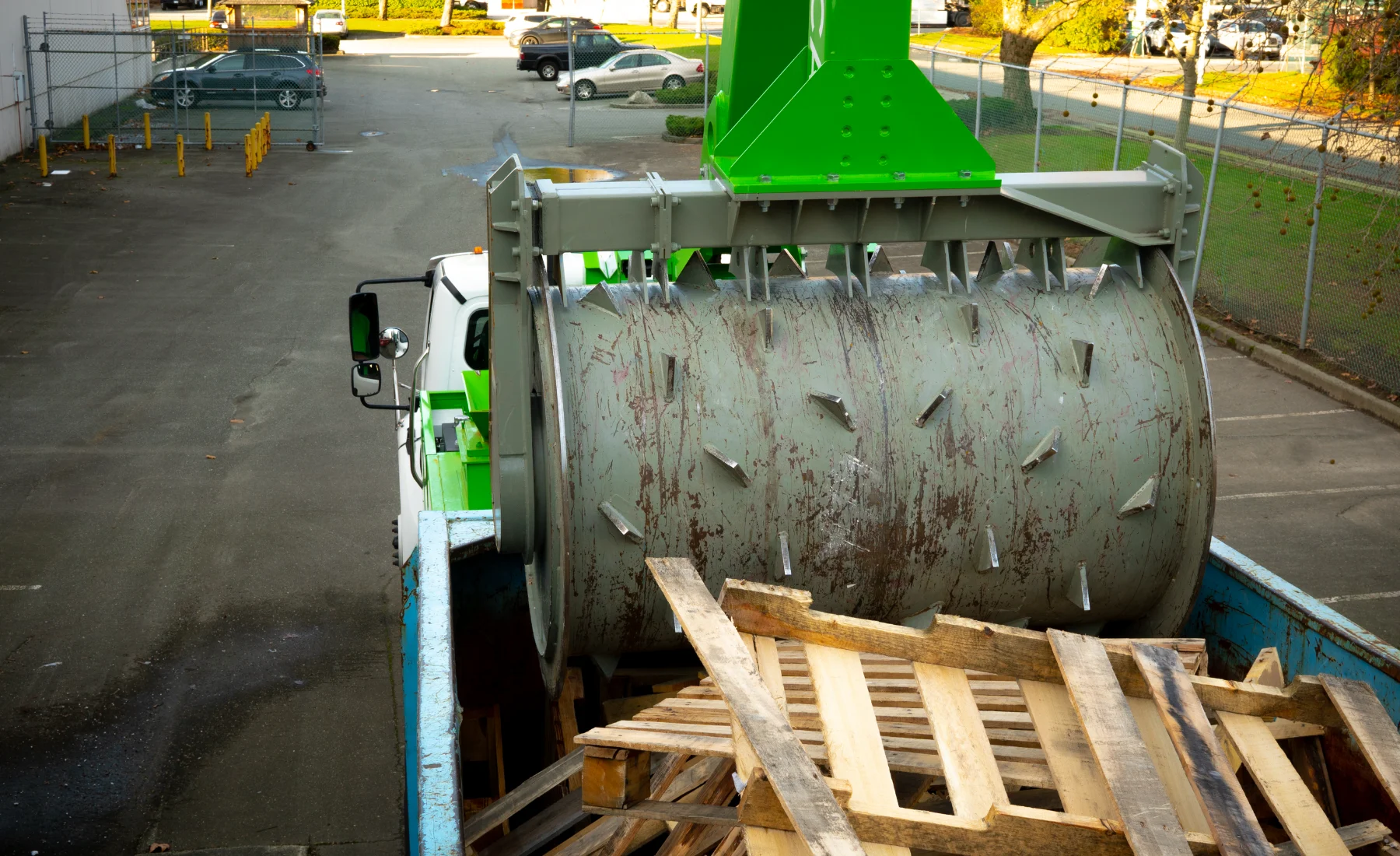
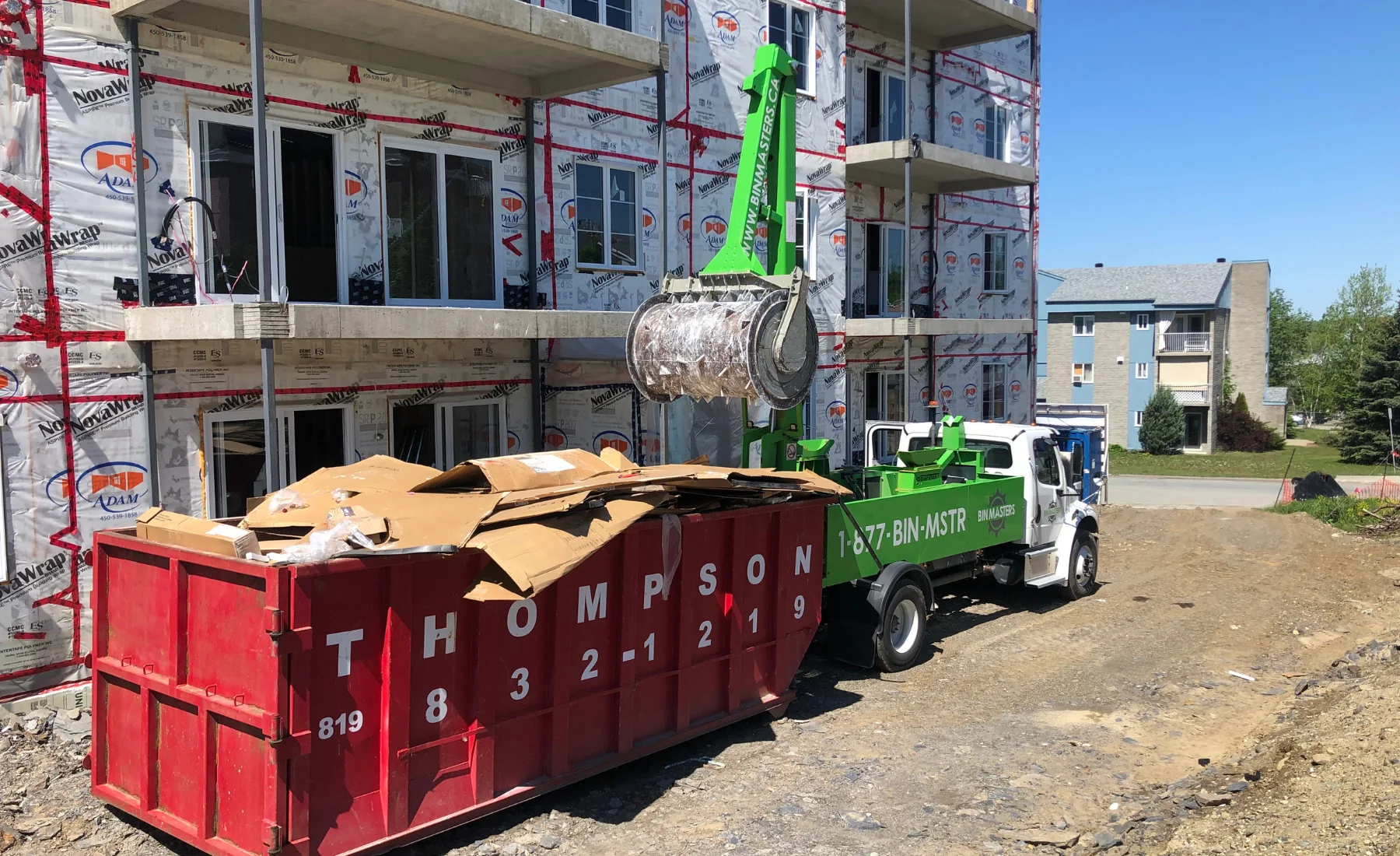
- Reduced Hauling Frequency and Maximized Payload: Mobile compactors can reduce the volume of waste in roll-off containers by up to 70%. This means that a single container can hold the equivalent volume of three or more standard containers before requiring a haul. This leads to a dramatic reduction in hauling frequency, translating directly into fewer trips, lower fuel consumption, and significant savings on hauling fees. Mobile compaction is particularly effective in densely populated urban zones (reducing container clutter) and in remote suburban areas (where travel to the disposal site is extremely long). By creating super-dense payloads, the service effectively shrinks the geographical distance, optimizing long-haul routes and saving hours of non-productive driving time for city crews.
- Lower Landfill Tipping Fees by Density: By maximizing the density of the waste, municipalities can fit substantially more weight of material into each truckload. While the total weight of the disposed waste remains the same, the total number of trips to the landfill is dramatically reduced, leading to a corresponding decrease in the total number of incurred tipping fees and transportation costs over the course of the fiscal year.
- Increased Labor Efficiency and Optimized Shifts: By minimizing travel time to the disposal site, mobile compaction frees up labor hours. Employees can spend more time on collection routes or specialized material sorting instead of driving. The World Bank also suggests that improving working shifts can reduce the number of vehicles needed and avoid high-traffic hours [1], an outcome easily achieved when compaction services allow collections to be strategically scheduled outside of peak congestion. The efficiency gained extends to the utilization of the municipal vehicle fleet. Fewer required hauls per week means the city can operate with a smaller fleet size, reducing the number of vehicles requiring costly maintenance, insurance, and replacement capital. This capability allows the budget to shift from fleet acquisition to service delivery.
- Improved Environmental Performance and Incentive Revenue: By diverting more waste from landfills and maximizing the recycling stream, an easier task when material volume is controlled, municipalities can reduce their environmental footprint. This can also lead to cost savings and new revenue, as some jurisdictions offer financial incentives, grants, or carbon credits for documented waste diversion performance. The EPA highlights that reducing the amount of C&D materials disposed of in landfills can create employment and economic activities in recycling industries, providing a further boost to the local economy [3].
Strategic Planning and Long-Term Infrastructure Impact
The true fiscal mastery offered by mobile compaction lies in its ability to influence long-term capital and infrastructure planning. This goes beyond annual operational savings to create generational taxpayer benefits.
- GIS-Based Route Optimization: Municipalities can integrate data from mobile compaction (location, time saved, payload density) into Geographic Information System (GIS) software. This enables dynamic recalibration of collection routes, eliminating unnecessary overlap and optimizing the flow of collection trucks. These optimized routes lead to permanent labor hour reductions and lower fuel consumption across the entire fleet.
- Fleet Rightsizing and Capital Deferral: By reducing the necessary haul frequency by 50-70%, mobile compaction creates an immediate surplus in fleet capacity. This allows the city to postpone or cancel the planned purchase of new garbage trucks (which cost hundreds of thousands of dollars each), deferring significant capital expenditure. The cost saved by delaying just one truck purchase can fund the mobile compaction service for several years.
- Extending the Life of Transfer Stations: Transfer stations serve as critical intermediate hubs but require constant maintenance and eventual expansion. By compacting commercial or public waste streams at the source *before* they arrive at the transfer station, municipalities reduce the volume handled and processed by the facility. This reduces wear on the station’s fixed compactors and infrastructure, extending the life of the asset and postponing major capital investment.
A Case for Data-Driven Public Sector Efficiency and Pay-As-You-Throw
The benefits of mobile compaction are realized through the implementation of data-driven waste management strategies. By pairing mobile compaction with smart policy, municipalities amplify their financial returns.
A prime example is the Pay-As-You-Throw (PAYT) model, a public policy strategy where residents are charged for waste collection based on the amount of unsorted garbage they discard. This model is often complemented by compaction services in communal areas. A study by Carattini et al. (2018) found that a PAYT program can reduce unsorted garbage by 40% [2]. This achieves a dual benefit: it saves the municipality money on collection and disposal, and it actively encourages recycling and waste reduction among the populace.
Furthermore, technology integration allows for precise measurement. IoT sensors in public dumpsters and communal compactors provide real-time fill-level data. This allows the municipality to move away from fixed, inefficient collection schedules to on-demand hauling, triggered only when the container is optimally full. This data-driven approach ensures that every single collection dollar is spent efficiently.
By adopting this more strategic approach, municipalities achieve a higher level of public sector efficiency. This means delivering better core services, cleaner public spaces, less visual pollution, and faster response times, at a demonstrably lower cost to taxpayers. The resource savings realized can then be reallocated to other essential services, such as public safety, education, or infrastructure upgrades.
Policy Synergy and Enhanced Public Service Delivery
Mobile compaction is a powerful tool not just for finance departments, but for public works and community engagement. Its efficiency directly enables better public services:
- Support for Bulky Item Collection Programs: One of the most challenging and costly services is the collection of large, bulky items (e.g., furniture, mattresses). Mobile compaction services can be deployed to the bulky waste holding areas, dramatically reducing the volume of these items before they are hauled to the landfill. This makes the service more feasible and budget-friendly for citizens.
- Transparency in Service Metrics: The real-time data provided by compactors (weight, time, location) allows municipalities to offer unprecedented transparency to taxpayers. Citizens can see verifiable data showing how collection efficiency and waste diversion rates are improving, building trust in how their tax dollars are being managed.
The Long-Term Economic and Community Impact
The economic impact of adopting mobile compaction extends well beyond the direct savings in hauling and tipping fees. It addresses long-term liabilities and promotes regional economic stability:
- Reduction of Future Landfill Liability: By maximizing the use of existing landfill space, municipalities slow the need for costly expansions or the development of new, often politically sensitive, disposal sites. This proactive approach saves taxpayers billions in future infrastructure costs.
- Support for the Circular Economy: Efficiently compacted and sorted commercial and public waste streams feed higher volumes of clean material to local MRFs and recycling processors. This demand supports local "green" jobs in the recycling sector, generating economic activity that keeps tax dollars circulating within the community.
- Enhanced Public Health and Safety: Consistent, efficient waste removal prevents overflowing public bins, which reduces unsanitary conditions, lowers the risk of pest infestation, and improves the aesthetic appeal of public spaces. A cleaner environment directly contributes to the quality of life, which is a key measure of municipal service success.
Conclusion: A Win-Win for Municipalities and Taxpayers
Mobile compaction services offer a win-win solution for municipalities and taxpayers alike. By radically reducing the variable costs associated with waste management, primarily through maximizing payload and minimizing collection trips, municipalities can reliably free up substantial funds for other essential public services. At the same time, taxpayers enjoy the benefits of a more efficient, environmentally responsible, and cleaner community. In an era of tight budgets and growing environmental concerns, mobile compaction is not just a technological upgrade; it is a smart, fiscally responsible investment that can pay substantial dividends for the taxpayer for years to come.
References
[1] The World Bank. (2022). Trash talk: Five ways to reduce the cost of urban waste collection. Retrieved from https://blogs.worldbank.org/en/sustainablecities/5-ways-to-reduce-waste-collection-costs-in-your-city
[2] Carattini, S., Duflo, E., & Greenstone, M. (2018). Is taxing waste a waste of time? Evidence from a nationwide garbage-by-the-bag program. In The Economics of Waste (pp. 139-173). University of Chicago Press.
[3] U.S. Environmental Protection Agency. (2023). Sustainable Management of Construction and Demolition Materials. Retrieved from https://www.epa.gov/smm/sustainable-management-construction-and-demolition-materials