.svg)
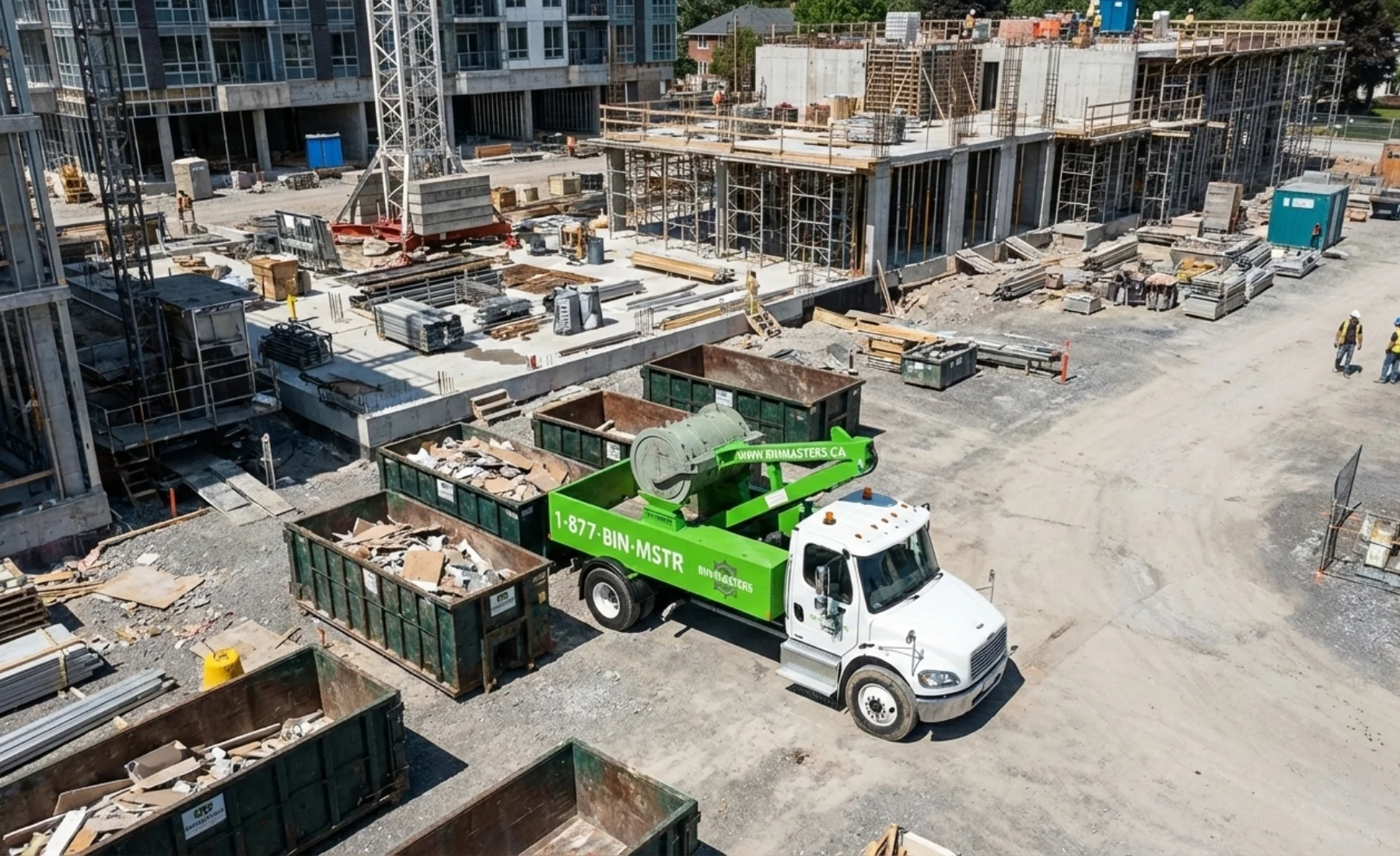
For construction companies, managing waste effectively is a critical component of any successful project. But when you're juggling multiple job sites, spanning different cities, phases, and scopes, the logistics and compliance requirements of waste management can quickly multiply. Coordinating mobile compaction services across these diverse projects is essential for optimizing efficiency, controlling costs, and ensuring strict environmental and safety compliance. Mobile compaction, which significantly reduces the volume of construction and demolition (C&D) debris on-site, becomes a key logistical tool for multi-site operators. With the right centralized strategies in place, construction firms can streamline their waste management operations and turn a potential logistical headache into a competitive advantage and a measurable boost to sustainability reporting.
The Complex Challenges of Multi-Site Waste Management
Managing waste across numerous, decentralized construction sites presents a unique set of challenges that magnify typical project risks. Effectively addressing these issues requires moving beyond site-by-site, ad-hoc solutions:
- Logistical Complexity and Route Optimization: Coordinating the efficient delivery and removal of containers, as well as scheduling shared mobile compaction services, for multiple sites can quickly become a logistical nightmare. Inefficient scheduling leads to unnecessary travel time, higher fuel costs, and increased greenhouse gas emissions. Missed or delayed pickups at one site can cause cascading delays, impacting safety and productivity at other locations.
- Variable Waste Streams and Segregation Requirements: Different projects, e.g., demolition, new builds, or interior renovations, generate vastly different types and volumes of waste. A demolition site may produce dense concrete and asphalt, while an interior project yields bulky drywall and mixed packaging. Each requires a flexible and adaptable waste management plan, including specific separation protocols to maximize recycling rates and preserve material value.
- Lack of Centralized Oversight and Cost Control: Without a centralized system for tracking real-time waste generation, compaction ratios, and hauling costs across every site, it is virtually impossible to identify systemic inefficiencies, negotiate volume discounts effectively, or accurately allocate costs to specific project budgets. This lack of visibility prevents informed decision-making.
- Regulatory and Hazardous Waste Complexity: Each job site must comply with highly localized waste management regulations, which can include differing mandates on recycling targets, reporting frequencies, and acceptable materials for landfill disposal. Furthermore, construction sites occasionally generate small volumes of regulated hazardous wastes (e.g., contaminated soil, specific paints, and solvents). Managing these materials safely and compliantly across multiple jurisdictions without centralized protocols significantly increases the risk of costly fines, legal liabilities, and mandatory stop-work orders.
The solution lies in shifting from siloed management to a unified, data-driven approach that leverages the power of mobile compaction to standardize the final haul volume, regardless of the initial site volume.
Strategies for Effective Coordination and Centralized Control
To overcome these challenges, construction companies need to adopt a strategic, top-down approach to multi-site waste management. These key strategies focus on creating operational consistency across diverse geographic locations:
- Centralize Your Waste Management Leadership: Designate a single point of contact or a dedicated corporate sustainability team to oversee waste management across all projects. This central authority is responsible for negotiating master service agreements, standardizing protocols, auditing performance, and tracking costs. The centralized contact becomes the single source of truth for all waste data, drastically simplifying auditing and allowing the organization to aggregate its total volume for enhanced negotiating power. This approach moves the firm away from site-level spending toward corporate resource allocation.
- Partner with a Unified Waste Management Provider: Working with a single national or regional waste management provider that can reliably service all of your job sites vastly simplifies logistics. A unified provider offers a single point of contact for billing, scheduling, and problem-solving, often providing preferential service rates and specialized mobile compaction equipment that can be strategically floated between sites based on demand.
- Implement a Standardized Waste Management Plan (SWMP): Develop a comprehensive and standardized waste management plan template that can be easily customized for each project’s local regulations and specific waste streams. This plan should include detailed procedures for source separation, storage, and disposal, as well as clear guidelines for requesting and utilizing mobile compaction services. The SWMP should mandate the use of color-coded containers and standardized signage across all sites, reducing confusion and lowering contamination rates. It must also include clear protocols for documenting material weights before and after mobile compaction, providing verifiable data for diversion reports and financial analysis (Cost Per Ton metrics).
- Leverage Technology for Data-Driven Decisions: Use robust waste management software or Enterprise Resource Planning (ERP) tools to track waste generation, schedule compaction services, and monitor costs across all of your projects in real time. This unified data platform provides the crucial metrics (e.g., cost per ton, diversion rate) needed to make informed decisions and identify the highest-impact opportunities for material recovery and cost reduction. The U.S. Green Building Council (USGBC) allows for data aggregation for multiple buildings on a campus, which can be applied to construction sites as well, encouraging this centralized reporting [1].
Leveraging IoT for Mobile Compaction Efficiency
The successful coordination of mobile compaction across a multi-site portfolio relies heavily on integrating smart technology. These tools provide the necessary real-time data and logistical intelligence to ensure compaction services are deployed exactly when and where they are needed, maximizing efficiency and minimizing cost.
- IoT Sensor Integration in Roll-Offs: Installing non-contact fill-level sensors within roll-off dumpsters on each job site provides real-time data on capacity. Instead of relying on a fixed schedule or a site manager's subjective estimate, the central system triggers a mobile compaction request only when a container reaches an optimal threshold (e.g., 70% full). This prevents both costly hauling of partially-filled containers and operational disruption from overflowing bins.
- Cloud-Based Data Aggregation: All data, from haul weights to compactor utilization rates, is fed into a centralized cloud platform. This allows the central team to generate automated alerts for contamination, flag sites with poor compaction ratios, and provide project managers with real-time dashboards detailing their project’s waste cost-per-ton and diversion rate performance against the standardized benchmark.
The Strategic Benefits of Coordinated Mobile Compaction
By effectively coordinating mobile compaction services across your entire portfolio of projects, construction companies unlock a powerful suite of financial and environmental advantages.
Cost Reduction and Financial Control
The most immediate benefit is significant cost control. Mobile compaction can reduce the volume of C&D waste by up to 70%, which leads to a dramatic reduction in your hauling and landfill tipping fees, the two largest variables in waste management budgets. By compacting your waste on-site, you reduce the number of hauls required for a given project volume, translating directly into lower transportation costs and less operational overhead. The standardization allows for the calculation of an accurate Cost Per Ton (CPT) metric for every site. By tracking waste weight before and after compaction, firms can objectively measure the performance of mobile compaction services and identify sites where material segregation or compaction is poor, allowing for rapid corrective action and continuous cost improvement. This shift to performance-based analysis secures a more predictable budget.
Enhanced Efficiency, Compliance, and Reporting
A coordinated approach ensures that every site operates under the same high standard of waste management, drastically reducing compliance risks. Standardization aids in meeting safety regulations by keeping waste contained and work zones clear. Furthermore, it significantly improves your environmental performance and reporting capabilities. By ensuring materials are segregated and compacted efficiently, you can divert a higher percentage of material from landfills. The EPA emphasizes that responsible management of construction waste is an essential aspect of sustainable building and mandatory for certifications [2]. A unified tracking system is vital for achieving sophisticated sustainability benchmarks, particularly the LEED V4.1 C&D Waste Management Credit. Coordinated data allows for easy documentation of material diversion rates, waste stream composition, and the environmental benefits (e.g., CO2 reduction from fewer hauls) for inclusion in both regulatory filings and mandatory corporate ESG reports. This commitment to verifiable data strengthens the company's position as a sustainable builder.
Specialized Material Handling and Diversion with Mobile Compaction
While mobile compaction is highly effective for mixed C&D waste, a successful multi-site program must incorporate specialized handling for high-value or regulated materials to maximize diversion and reduce disposal costs.
- Concrete, Masonry, and Asphalt (CMA): These dense materials do not typically require compaction. However, the coordinated strategy ensures dedicated containers are utilized and efficiently routed directly to local crushing facilities for reuse as aggregate, maximizing site revenue and minimizing CPT. The central system tracks these shipments to count them toward overall diversion goals.
- Metals and Cardboard: These materials, which carry high commodity value, should be separated at the source using dedicated, standardized bins (as dictated by the SWMP). Mobile compaction strategy focuses on ensuring timely removal of high-volume cardboard (especially during fit-out phases) to maintain high fiber quality. Often, dedicated mobile balers are used rather than standard compactors to increase revenue potential and volume efficiency for these high-value streams.
- Gypsum (Drywall): Due to local restrictions on landfilling gypsum, especially in high volumes, the standardized plan must dictate separate collection and coordination with mobile recycling partners who can process it into soil amendments or new gypsum board. Mobile compaction services free up space and time on site to effectively manage these specialized streams compliantly and safely.
Conclusion: A Blueprint for Success and Sustainability Leadership
Managing waste across multiple construction sites does not have to be a chaotic and costly endeavor. By adopting a strategic, data-driven, and coordinated approach, construction firms can harness the power of mobile compaction and centralized oversight to transform their waste management operations. This unified strategy streamlines logistics, reduces costs dramatically, and ensures consistent compliance across all jurisdictions. The ability to measure CPT and track ESG metrics in real-time positions the firm not just as an efficient builder, but as a leader in sustainable construction practices. With the right plan, the right single-source partners, and the intelligent application of technology, you can build a waste management program that is as robust, efficient, and environmentally effective as your most successful construction projects themselves.
References
[1] U.S. Green Building Council. (n.d.). Construction and Demolition Waste Management. Retrieved from https://www.usgbc.org/node/2756522
[2] U.S. Environmental Protection Agency. (n.d.). Construction Waste Management. Retrieved from https://www.wbdg.org/resources/construction-waste-management
[3] World Bank. (2022). What a Waste 2.0: A Global Snapshot of Solid Waste Management to 2050. Retrieved from https://datatopics.worldbank.org/what-a-waste/